
U.S.–Iran Conflict Escalates as US Strikes on IRGC Targets Continue
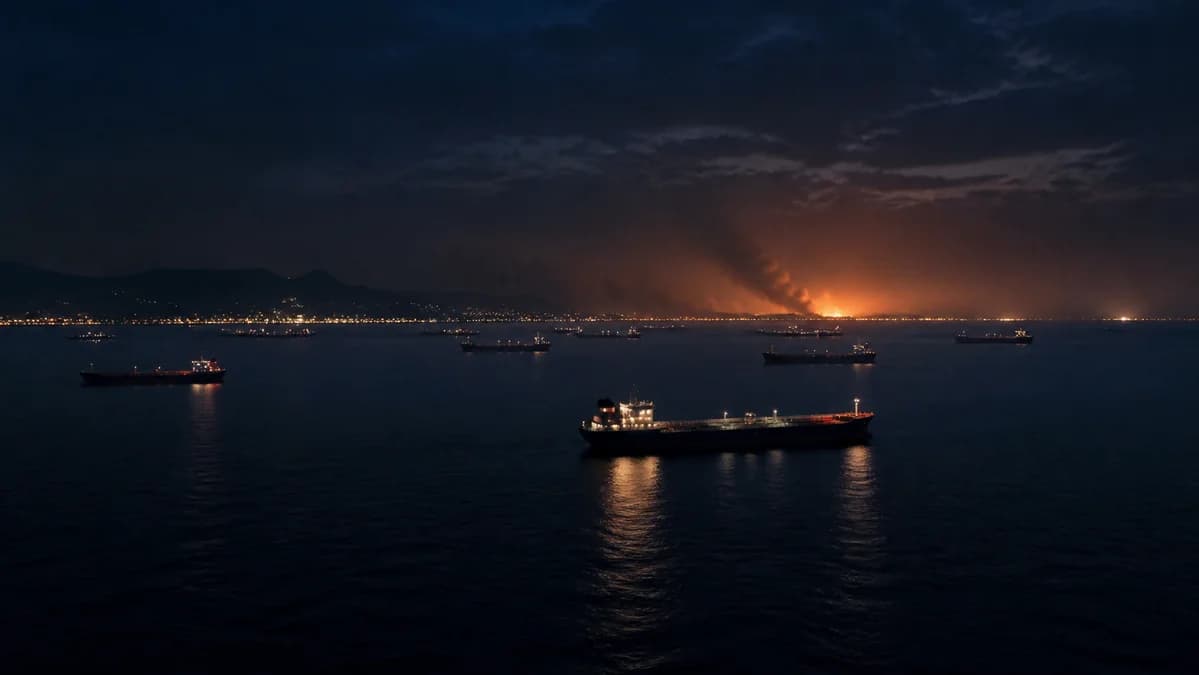
AI Generated Image representing heightened security concerns near the Strait of Hormuz, a key global shipping route.
Photo: AI-generated image by Arizona Asians
U.S. Central Command says American forces completed a new wave of strikes against Iranian Revolutionary Guard Corps targets, while U.S. maritime officials warn that risks to commercial shipping near the Strait of Hormuz remain high.
The U.S.–Iran conflict entered a new and dangerous phase this week after U.S. Central Command confirmed that American forces completed a wave of strikes against Iranian military targets on September 1, 2026. CENTCOM said the strikes targeted Islamic Revolutionary Guard Corps facilities and assets, including air-defense sites, radar systems, maritime assets, mine-laying capabilities and communications sites. According to CENTCOM, the strikes followed recent attempted attacks by the IRGC against commercial shipping in the Strait of Hormuz and against American service members.
Strait of Hormuz Remains a Major Concern
The Strait of Hormuz remains at the center of the latest escalation. The narrow waterway between Iran and Oman is one of the world’s most important routes for oil and liquefied natural gas shipments. The U.S. Maritime Administration has warned that risks to commercial vessels in the Persian Gulf, Strait of Hormuz and Gulf of Oman remain high. The agency said threats to shipping may include missile attacks, armed drones, unmanned surface vessels and interference with navigation systems.
MARAD has advised U.S.-flagged commercial vessels operating in the region to conduct risk assessments, coordinate with U.S. naval authorities, monitor emergency channels and remain as far from Iran as safely possible while transiting the area.
U.S. Forces Remain on Alert
CENTCOM said more than 50,000 U.S. service members are currently operating across the Middle East and remain prepared for further operations if directed.
The latest strikes show that Washington is continuing to use military force against Iranian military capabilities, particularly assets linked to maritime threats and regional attacks. At the same time, the situation remains fluid. Official U.S. sources have not yet provided a full public assessment of casualties, damage inside Iran or possible Iranian retaliation following the September 1 strikes.
Travel and Safety Warnings Continue
The U.S. State Department continues to advise Americans worldwide to exercise increased caution because of heightened tensions in the Middle East.
For Iran, the State Department maintains a Level 4 “Do Not Travel” advisory. U.S. citizens are warned not to travel to Iran for any reason because of terrorism, unrest, kidnapping, wrongful detention and the absence of a U.S. embassy in the country. Americans in or traveling through the Middle East are encouraged to monitor embassy alerts, check flight status, follow local authorities and enroll in the Smart Traveler Enrollment Program, known as STEP.
Why This Matters Globally
Any military escalation around the Strait of Hormuz can affect far more than the countries directly involved. Energy prices, shipping routes, airline operations and regional security across the Gulf can all be affected.
For Asian economies, including India, China, Japan and South Korea, the region is especially important because many countries rely heavily on Gulf energy supplies.
For families and businesses in the United States, the broader concern is that instability in the Gulf could eventually affect fuel prices, supply chains and international travel.The latest developments mark another tense moment in the U.S.–Iran confrontation. For now, official U.S. sources confirm new strikes against IRGC targets, continued maritime risk near the Strait of Hormuz and heightened caution for Americans in the region.
Additional Reader Links:
U.S. Maritime Administration advisory: https://www.maritime.dot.gov/msci/2026-004-persian-gulf-strait-hormuz-and-gulf-oman-iranian-attacks-commercial-vessels
U.S. State Department Worldwide Caution: https://travel.state.gov/en/international-travel/travel-advisories/global-events/worldwide-caution.html
U.S. State Department Iran Travel Advisory: https://travel.state.gov/en/international-travel/travel-advisories/iran.html.
Topics
Source: U.S. Central Command
View original source ↗Editorial Note: Sources: U.S. Central Command, U.S. Maritime Administration and U.S. Department of State public guidance. This is a developing situation and details may change as additional official updates are released.