
U.S & Canada trade dispute widens
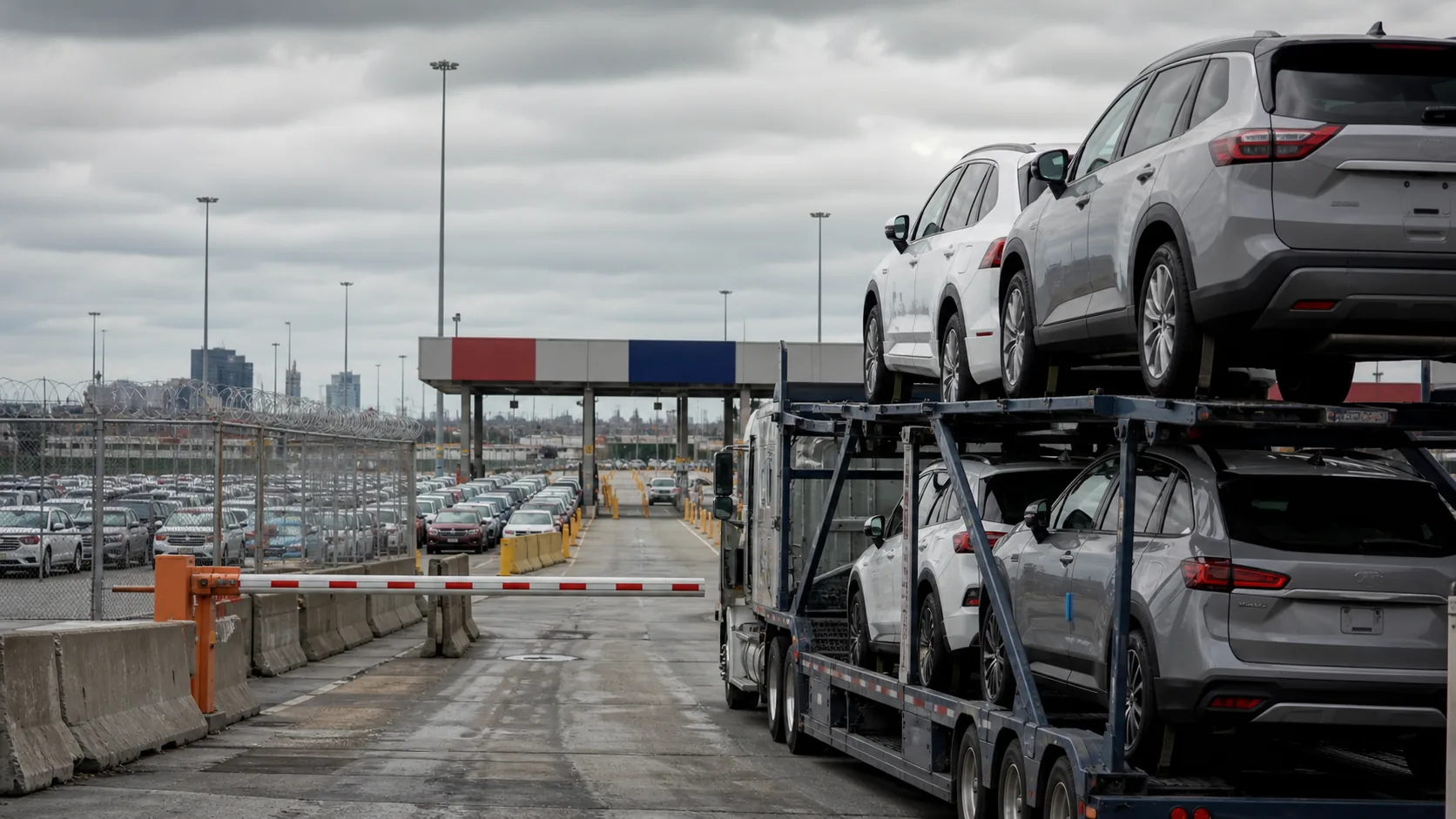
The U.S.-Canada auto tariff dispute could affect vehicle supply chains, automakers and consumers across North America.
Photo: AI-generated image by Arizona Asians.
President Donald Trump said the United States will raise tariffs on Canadian cars, trucks and auto parts to 50%, escalating a trade fight that has already disrupted negotiations between Washington and Ottawa.
President Donald Trump said the United States will raise tariffs on Canadian automobiles and auto parts to 50%, widening a trade dispute that has already strained one of North America’s most important economic relationships.
The announcement follows the collapse of recent U.S.-Canada trade talks and comes after the Trump administration invoked Section 338 of the Tariff Act of 1930 to impose additional duties on certain Canadian goods. The White House has said the measures are intended to respond to what it calls discriminatory treatment of U.S. exports.
The dispute has centered partly on autos, dairy and alcohol. U.S. officials have argued that Canada has treated American products unfairly and limited access for U.S. companies. U.S. Trade Representative Jamieson Greer previously said Canada had retaliated against U.S. trade measures and disadvantaged American exports.
Canada has rejected the U.S. position and said it will defend Canadian workers, businesses and industries. Prime Minister Mark Carney suspended trade negotiations on August 21, saying Canada would not accept a deal that failed to protect its economic interests and sovereignty.
The auto sector is especially sensitive because U.S. and Canadian vehicle supply chains are deeply connected. Cars and parts often cross the border multiple times before a finished vehicle reaches a dealership. Higher tariffs could raise costs for automakers, suppliers and consumers on both sides of the border.
For American consumers, the impact could eventually show up in vehicle prices, repair costs and parts availability. For businesses, the uncertainty may complicate investment decisions, production planning and cross-border shipments.
The tariff escalation also raises new questions about the future of the United States-Mexico-Canada Agreement, the trade framework that governs much of North American commerce. If the dispute continues, it could put additional pressure on manufacturers, farmers, retailers and logistics companies that depend on predictable trade rules.
Canada has already pledged retaliatory measures in response to U.S. tariffs. If both sides continue expanding tariffs, the dispute could become more expensive for households and businesses in both countries.
For now, the U.S. is increasing pressure while Canada prepares its response, leaving the future of North American auto trade uncertain.
Topics
Source: The White House and Prime Minister of Canada
View original source ↗Editorial Note: Sources: White House tariff materials and Prime Minister of Canada statement.