
Firms are turning hiring into competition-style contests
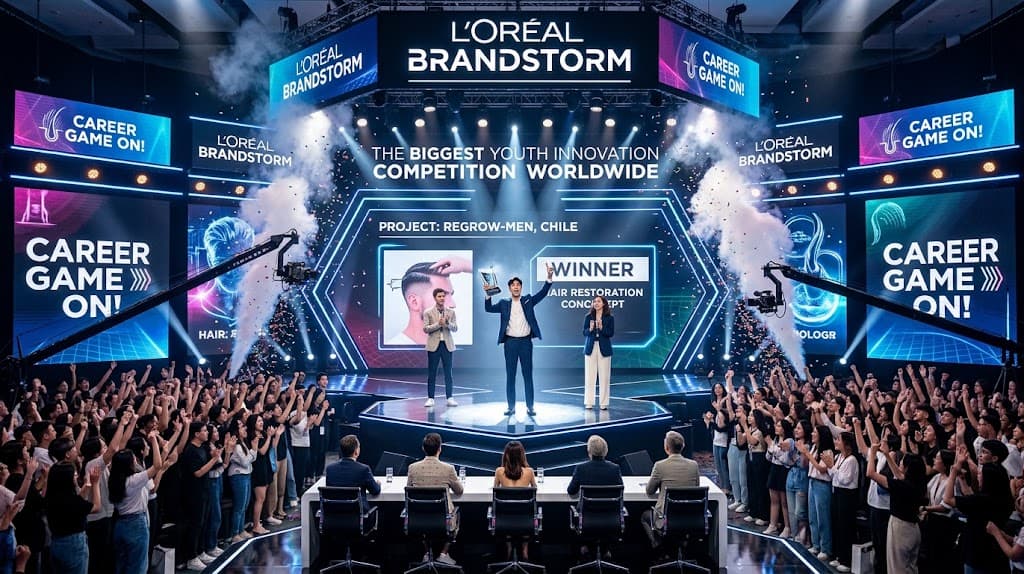
Firms are turning hiring into X Factor style contests
Photo: AI Generated Image
Some employers are replacing parts of traditional hiring with pitch events and team challenges that resemble television talent contests. Supporters say the format broadens access and reveals skills that interviews can miss, while critics warn it can be intimidating, time-consuming and biased toward candidates with more free time.
A growing number of companies are turning recruitment into competition-style events that put candidates on stage, tasking them with pitching ideas, solving problems and impressing judges for the chance to win a job. The approach is drawing attention because it can help employers identify talent beyond the conventional interview process, but it is also raising questions about fairness and access.
One example is L'Oréal's Brandstorm competition, where young adults present business ideas before panels of judges. In London in 2024, Yumi Liberman and two friends pitched a haircare app at the UK final, and their team went on to the global final in Paris. Liberman later secured a marketing management traineeship with the company after impressing senior figures during the process.
The format appeals to some participants because it offers a direct path into work at large employers, especially in a tough labour market for younger workers. L'Oréal said Brandstorm helps the company reach a broader pool of recruits, including people who might not otherwise apply for a job there. The company said the competition has also become a significant talent pipeline for early-career hiring.
Pressure, time and access concerns
Not everyone sees the model as a positive development. Melissa Alcruz, who now works in marketing for a New York-based real estate business, said she once competed in an internal MTV promotion process that involved pitching campaigns to a panel. She described it as intimidating and said candidates were expected to complete substantial projects outside their regular jobs.
Former recruitment consultant Katrina Collier said competition-based hiring can amount to economic discrimination if applicants are expected to spend weeks or months on unpaid challenges without any guarantee of success. She warned that the format may exclude talented people who cannot afford to devote large amounts of time to speculative work.
Jamie Kohn, senior director for talent acquisition at Gartner, said these hiring methods are likely to remain popular because employers find them easier to evaluate than traditional interviews. But she said companies should be careful about how much they ask of candidates and should offer feedback so unsuccessful applicants still gain something from the process.
Psychologist Amanda Potter said the format may also favour extroverts over quieter personalities, creating teams of highly competitive candidates at the expense of broader diversity. Liberman, however, said the competition structure worked in her favour because conventional recruitment and assessment methods would have been more difficult for her as someone who lives with severe dyslexia.
For Liberman, the outcome was immediate and practical: she moved from university into a role linked to her chosen field without a period of unemployment. She said many of her peers have spent months applying for jobs with little to show for it, underscoring why competition-based recruitment can feel both promising and frustrating at the same time.
Topics
Source: L'Oréal
View original source ↗